
Let’s review… Lesson 10

What seasons are there in a year? – Spring, Summer, Autumn and Winter.
What is the coldest season? What are the coldest months?
What is the hottest season? What are the hottest months?
What is the wettest season? What are the wettest months?
What is the driest season? What are the driest months?
What can you do in different seasons? [play; walk; ride a bike; stay at home; read a book..]
What do you like doing in different seasons? [walking; going to the park; playing outdoor games; reading; relaxing…]
What weather do you like/dislike? Why?
Listen to the news report and answer the questions.
1. What city is the news report discussing?
2. How did the weather feel in the morning?
3. What surprising thing happened to the weather?
4. What was the temperature change in Melbourne?
5. What did Isla compare Melbourne’s unpredictable weather to?
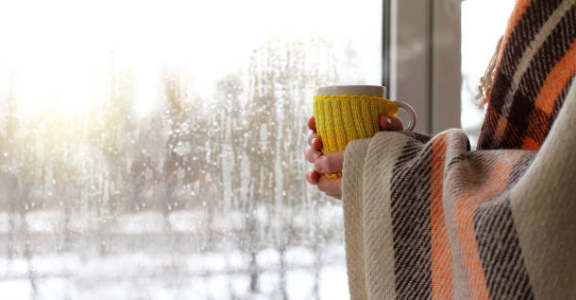
Try to recall every day’s weather last week, then tell your teacher about it.
For example:
“Monday: It was rainy so I used an umbrella.”
“Tuesday: The sky was clear and it was …”
Listen to the second part of the news show and fill in the gaps
Listen to the audio again and mark the sentences as True or False
LIKE
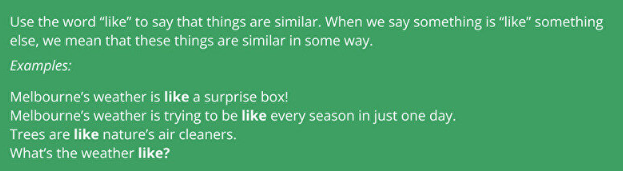
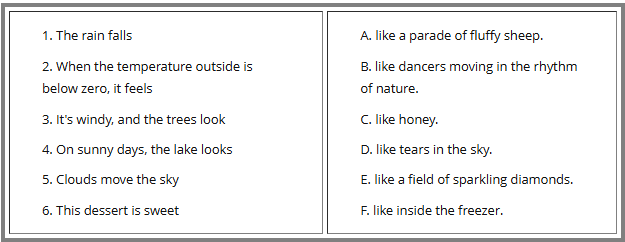
Match the halves of the sentences. Then, build up your own 3 sentences using “like”
Think back to a day when you saw the most unusual or unexpected weather. It could be during a vacation, at home, or any other place you remember. Share your story with your teacher. Try to use as much detail as possible
Prompts:
Date and Location: When and where did this happen?
Morning Expectation: How did the day start? What was the weather like? Did you expect it to be normal?
Weather Change: Describe the unusual weather. Did it change suddenly or gradually?
Your Activities: How did this weather affect your plans or activities for the day?
Conclusion: How did the day end? Did the weather continue being unusual or did it return to what it was in the morning?
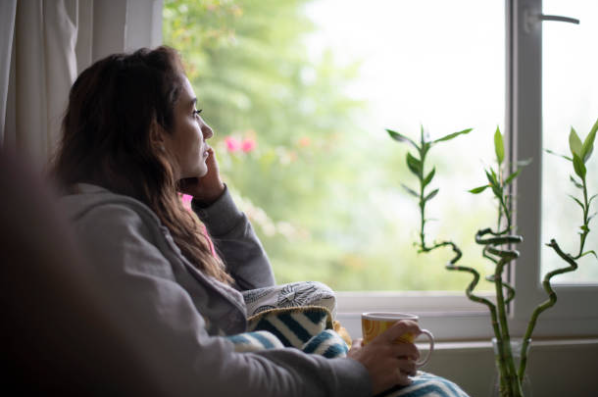
Look through the window and answer the questions
1. What is the weather like today?
2. What was the weather like yesterday?
3. What is the temperature?
4. Do you like this weather?
5. What is your favorite weather?
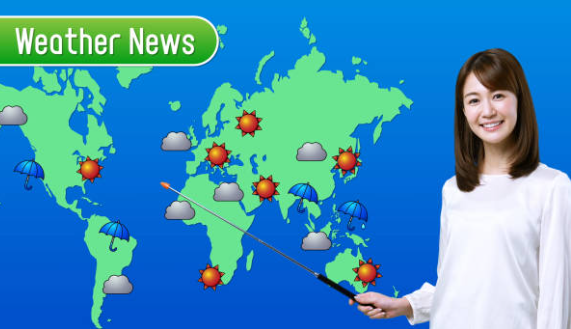
Look at the picture and complete the sentences
- The girl is …
- She is talking about …
- The weather she is showing is …
- I think this job is …
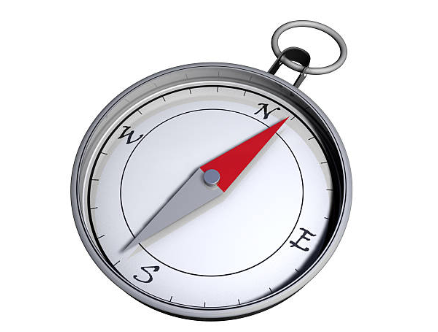
Directions of the compass
Listen to the weather forecast and answer the questions
1. What does the speaker talk about?
2. What weather does he describe?
3. What activities does the speaker recommend?
4. What do you usually do when the weather is cold / rainy / windy / warm?
Listen to the weather forecast again and complete the sentences
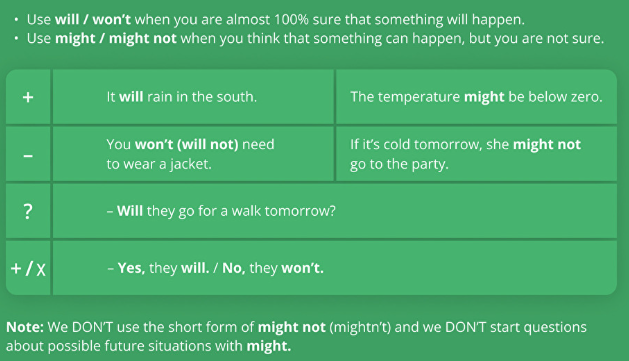
WILL / WON’T /MIGHT / MIGHT NOT – FOR PREDICTIONS
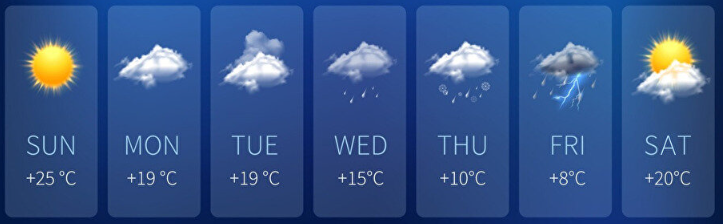
Look at the weather forecast and complete its summary.
will / won’t / might / might not
Most of the week, it ____ be cloudy, but on Sunday it will be sunny with the temperature around 25 degrees Celsius. It ____ be such a high temperature all the other days. On Monday and Tuesday, it will be cloudy and colder. On Wednesday, we ____ have some rain, but it’s not for sure. Friday is the coldest day of the week. It ____ rain heavily, and the temperature _____ be higher than 8 degrees. We ____ have a storm, but be careful and dress in something really warm. The weather on Saturday will be better. It _____ be a little bit sunny, and the temperature will rise up to 20 degrees again.
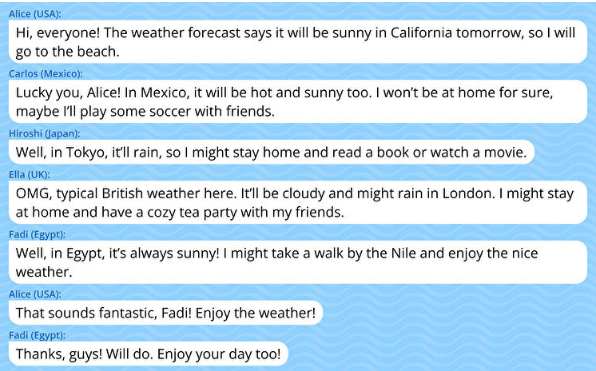
1. What will the weather be like in different countries tomorrow?
2. What will people do there?
3. Do they have good ideas for tomorrow? Why?
4. Check your weather forecast and tell what you will do.
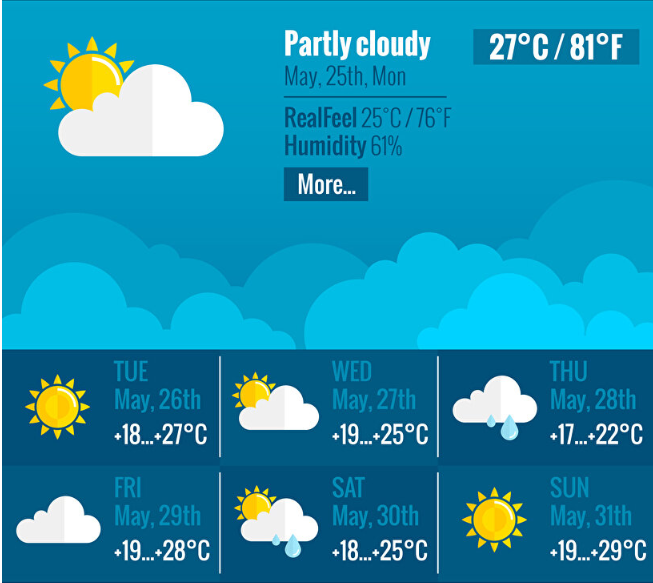
Look at the weather forecast and describe it. Talk about activities that people might do on these days.

1. Are the people in the picture happy or sad?
2. What are they doing?
3. When was the last time you were at a festival?
4. What famous festivals do you know?
Match the words with their definitions
Choose the right word
Read the article below. Write the festivals next to their descriptions
Read the article again and answer the questions
1. Which vegetable do people use for a festival in Spain?
2. When do the Spanish have the festival?
3. Who can join it?
4. When do the Indians celebrate Holi?
5. What happens during the Festival of Colors?
6. What do the Koreans do on New Year’s Eve?
7. Why do they use lanterns?
Listen to the audio and complete the summary with the phrases from the list
Listen again and answer the questions
1. Which activity from the Lantern Festival do you like the most? Why?
2. Is there a similar festival in your country?
3. Would you like to visit a celebration like this? Why or why not?

BE GOING TO
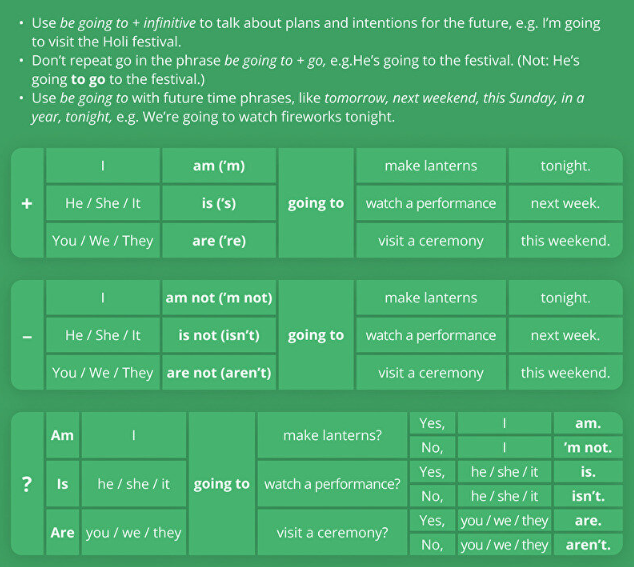
Complete the sentences with the words from the list
Ask and answer the questions with the prompts below
Example:
Student: Are you going to try on a costume at a special ceremony?
Teacher: No, I’m not. Are you going to travel to another country for a festival?
Student: Yes, I am.
1. Try on a costume at a special ceremony.
2. Travel to another country for a festival.
3. Make lanterns for the next New Year party.
4. Go to a music festival this weekend.
5. Cook a traditional dish for dinner.
6. Watch fireworks tonight.
7. Change the decoration of the room.
8. Learn about new traditions from other countries.
9. Make a performance with your friends next Thursday.
10. Go to the square with fountains this weekend.
Make sentences using the prompts from the table
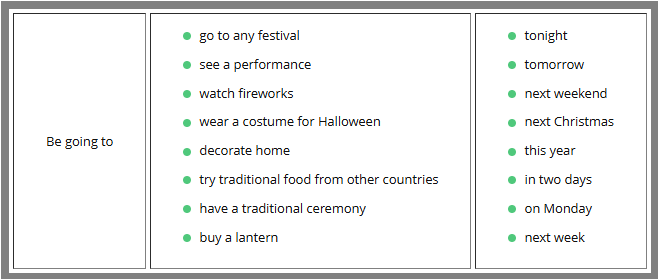
Complete the sentences with the correct forms of “be going to”
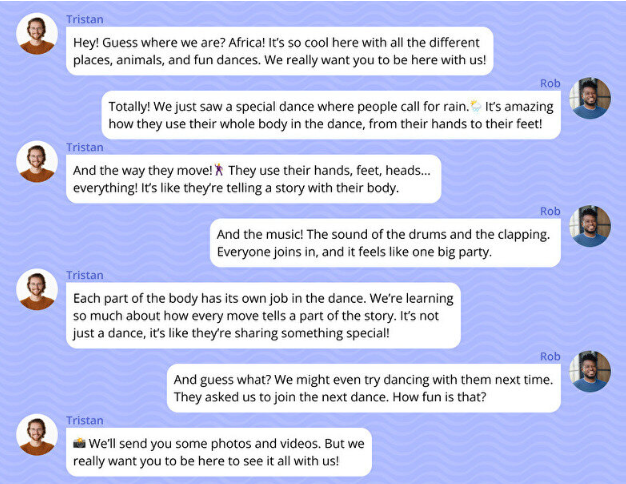
1. Where are Tristan and Rob right now?
2. What did they see people doing?
3. What is this dance for?
4. Are Tristan and Rob only watching the dance?
5. Would you like to join Tristan and Rob in Africa? Why or why not?
Body Parts
Read the text and choose the right title
In some parts of Africa, people have special dances. They dance to talk to the sky. They want to ask for rain. Why? Rain is very important for them.
People put colorful paints on their faces for these dances. Each color has a meaning. Blue means water. White is for a clear sky. The colors are like words to the sky.
The dance leader wears a big mask. It covers his face. Some masks look like birds because they have feathers. This mask is very special. It helps the leader talk to the sky.
People play drums with their hands. The drums are like the voice of the people. The dancers move their feet to the beat of the drums. Everyone in the village watches the dance. They hope the sky will hear and send rain.
The dancers also color their arms and legs. The dance becomes beautiful with all these colors.
After the dance, everyone looks up. They hope to see clouds. They want the rain to come. The dance helps them speak to the sky.
1. The Symbolic Power of Dance in African Culture
2. Dancing to the Sky: Communicating with Rain through African Dances
3. Why do Africans wear colorful paints on their faces while dancing?
Read the text again and answer the questions:
Listen to the audio and answer the questions
1. What did Rob and Tristan send their friend?
2. What do they offer Fred to do?
3. Does their friend want to go first? Why?
4. What does Rob call this reason?
5. For how many days will Fred be in Africa?
6. Where are they planning to meet?
Listen to the audio and fill in the gaps
Complete each gap with one word from the list
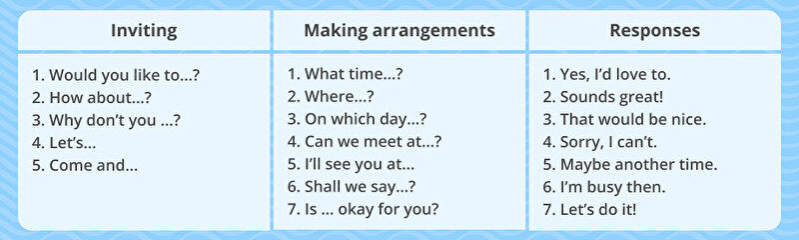
Choose one of the following events and arrange a meeting with your friend/teacher. Don’t forget to discuss the day, place of the meeting, time and activities. Then, switch roles and choose another idea.
- going to the park
- going to the restaurant
- going to the museum
- walking around the town
Read the dialogue and get ready to choose the correct options
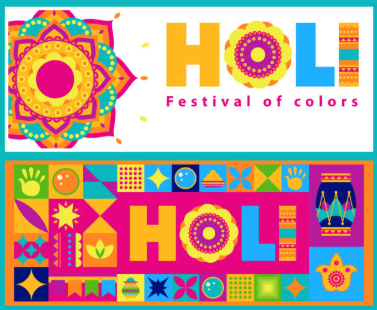
Harumi: What’s the weather like during the festival?
Kabir: Well, the festival is in March, so it’s usually warm and sunny during the day. But it might get a little cold at night. The temperature is above zero. It won’t be too hot, so you won’t need to worry about the heat.
Harumi: I see. I like warm weather. It will be my first time in India! How do people celebrate Holi? Will the festival activities be interesting? What are we going to do?
Kabir: People throw balls with colors at each other, dance to music, and enjoy delicious food. It’s a very colorful and joyful festival. We’re going to do the same!
Harumi: That sounds like so much fun! I’d love to go with you. Is there anything special I need to wear or bring? Do I need to buy something special for the celebration?
Kabir: Just wear some old clothes that you are not afraid to color, and bring a smile! We can buy colorful balls there. You might want to bring a hat to protect yourself from the sun.
Harumi: Great! I’m coming! Thank you for inviting me!
Kabir: You’’re welcome. It’ll be fantastic!
Harumi: Kabir, will there be a lot of people at the festival? Will there be any fireworks?
Kabir: There won’t be too many people, so it’ll be a cozy celebration. And yes, there might be some fireworks in the evening.
Harumi: Wow! That’s great to hear. I can’t wait to try it all! Will we meet at the festival entrance?
Kabir: Absolutely! We’re going to meet at the entrance at 10 in the morning. It will be a day I’ll never forget!
Choose the correct option
Match the words to their explanations
Choose the best option:
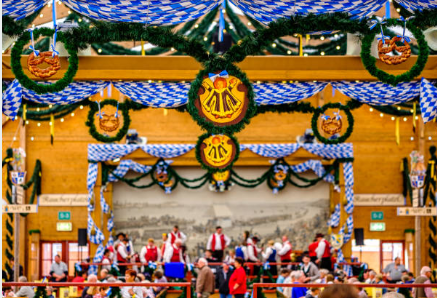
Complete the text with the correct words
costumes / festival / warm / decorations / traditional
performances / temperature / firework / cold / foggy / east